
In 2026, many authors make outstanding contributions to our journal. Their articles published with us have received very well feedback in the field and stimulate a lot of discussions and new insights among the peers.
Hereby, we would like to highlight some of our outstanding authors who have been making immense efforts in their research fields, with a brief interview of their unique perspectives and insightful views as authors.
Outstanding Authors (2026)
George R. Matcuk Jr, Cedars-Sinai Medical Center, USA
Adriana Torres da Silva, Hospital da Baleia, Brazil
Guillermo Flores, University of Iowa Hospitals and Clinics, USA
Elías Gomis Sellés, The International University of La Rioja, Spain
Juan Luiz Coelho-Silva, University of São Paulo, Brazil
Paulo Sérgio da Silva Santos, The University of São Paulo, Brazil
Katsuhiro Miura, Nihon University Itabashi Hospital, Japan
Outstanding Author
George R. Matcuk Jr
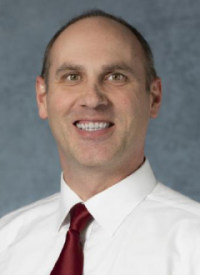
Dr. George Matcuk received dual B.S. degrees in biology and chemistry at Carnegie Mellon University. He subsequently earned his M.D. from Stanford University. He performed his radiology residency and musculoskeletal radiology fellowship at the University of Southern California. He was awarded Resident of the Year in 2008, Fellow of the Year and Board Reviewer of the Year in 2009, and Teacher of the Year in 2011. After 11 years at USC, he joined Cedars-Sinai Medical Centre in 2020, where he was awarded Teacher of the Year in 2021 and currently serves as the associate director of the residency program. He enjoys the interpretation of musculoskeletal imaging studies, including x-ray, ultrasound, CT, and MRI, and collaborating with his clinical colleagues to optimize patient care. He also enjoys image-guided procedures and the relief he is often able to provide with steroid/anesthetic injections or radiofrequency ablation of tumors, such as osteoid osteomas.
Dr. Matcuk emphasizes that developing an original research project, presenting a novel case, or creating an educational review on a topic is quite challenging. However, once that idea is originated, the literature reviewed, and the proposal completed, disseminating this information as an academic paper requires overcoming several hurdles. These include overcoming writer’s block, organizing ideas and content, citing credible sources, creating illustrative tables and figures, coordinating with and merging content from multiple co-authors, and addressing feedback from reviewers.
Dr. Matcuk emphasizes that scientific writing requires rigor and must be backed by evidence. This process begins by clearly defining the question being addressed and formulating a hypothesis. Next, a thorough review and critical assessment of the current evidence are essential, focusing on identifying any biases or gaps. The evidence should then be curated, prioritized, and presented in a straightforward manner that is easy to communicate. It is important to incorporate both supporting and contradictory evidence while keeping the target reader in mind. The presentation should be transparent to facilitate critical review.
“I was happy to be invited to write an editorial commentary for Translational Cancer Research. As a radiologist, I am interested in how new technologies and techniques can be used to diagnose and predict risk factors for cancers, particularly sarcomas, from imaging studies, and how that might influence treatment and prevention. This fits perfectly with the aim and scope of this journal. The peer-reviewed and open-access model TCR uses ensures quality research is available to all,” says Dr. Matcuk.
(by Sasa Zhu, Brad Li)
Adriana Torres da Silva
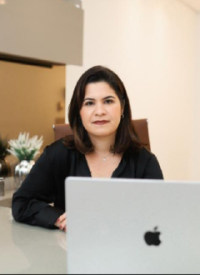
Adriana Torres da Silva is an Associate Professor at the Faculty of Medical Sciences of Minas Gerais and an otorhinolaryngologist at Hospital da Baleia, Brazil. Her research focuses on surgical anatomy and immunology of the upper airways, with particular emphasis on allergy and tumor-related processes. Her work integrates clinical practice with translational research, aiming to better understand the immune mechanisms involved in airway diseases and malignancies. Recently, she has been involved in a project investigating the immunophenotypic profile of tumor-associated immune biomarkers in peripheral blood using flow cytometry. This research seeks to identify potential diagnostic and prognostic markers, contributing to more precise and personalized approaches in patient care. She is particularly interested in bridging anatomical knowledge and immunological insights to advance both surgical outcomes and oncologic management.
In Dr. da Silva’s view, the key skill sets of an author extend beyond technical writing. Scientific rigor is fundamental, including the ability to design robust studies, critically analyze data, and interpret findings with accuracy and integrity. Equally important is clarity in communication—the capacity to translate complex scientific concepts into precise, coherent, and accessible language. An author must also demonstrate intellectual curiosity and continuous learning, as science is constantly evolving. Ethical responsibility is essential, ensuring transparency, reproducibility, and respect for research standards. In addition, resilience and openness to feedback are crucial, as the publication process often involves revision and refinement. Finally, collaboration plays a central role, as impactful research increasingly depends on multidisciplinary efforts. Together, these skills enable authors to contribute meaningfully to scientific advancement and to the dissemination of reliable knowledge.
Avoiding bias in scientific writing, according to Dr. da Silva, requires conscious effort at every stage of the research and publication process. First, it is essential to base conclusions strictly on data, ensuring that results are reported transparently, including negative or unexpected findings. A rigorous study design, appropriate controls, and well-defined methodologies help minimize bias from the outset. In writing, authors should use precise and neutral language, avoiding overinterpretation or selective emphasis of results. Critical self-reflection is also important, recognizing personal assumptions or expectations that may influence interpretation. Peer review and collaboration with multidisciplinary teams further contribute to identifying and correcting potential biases. Additionally, adherence to established reporting guidelines enhances transparency and reproducibility. Ultimately, maintaining scientific integrity and openness to scrutiny is fundamental to producing balanced and trustworthy work.
“Academic writing requires significant time and dedication, but what motivates me most is the responsibility to disseminate knowledge that is clear, accurate, and truly relevant. I see writing not merely as a means of reporting results, but as a commitment to transforming scientific and clinical findings into reliable information that can be understood, applied, and trusted. As a clinician and researcher, I am driven by the opportunity to contribute to better decision-making in patient care and to advance understanding of complex diseases. Equally important is the role of writing in fostering transparency and combating misinformation in science. Engaging with the global scientific community through well-constructed and honest communication is, for me, both a duty and a privilege. Ultimately, the impact of knowledge depends on how clearly and truthfully it is shared,” says Dr. da Silva.
(by Brad Li, Masaki Lo)
Guillermo Flores
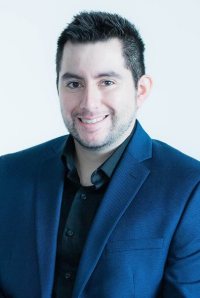
Dr. Guillermo Flores is a dedicated physician-scientist and an Otolaryngology Head and Neck Surgery resident with a long-term goal of leading a translational research laboratory while practicing as an academic head and neck surgeon. His research focuses on head and neck cancer, with an emphasis on defining and therapeutically targeting the molecular mechanisms that drive invasion, metastasis, and therapeutic resistance. His multidisciplinary training spans molecular oncology, epigenetics, functional genomics, and drug development. He is passionate about developing models and assays to better dissect the intricate mechanisms by which cancer cells drive disease. He is especially interested in leveraging genomics and epigenomics to improve the success rate of translating basic science findings into clinical therapies. His current work focuses on metastable cancer cell states and how cancer-specific, context-dependent mechanisms not only drive tumorigenesis, but also offer exploitable vulnerabilities.
TCR: What are the key skill sets of an author?
Dr. Flores: I believe the most critical skill an author should have is clear communication. In science, it is easy to rely on jargon, overemphasize minutiae, and muddy a manuscript with irrelevant details. When I write, my goal is to communicate as efficiently as possible: to define the problem being addressed, explain the results, and clarify why they matter. Achieving that clarity is often difficult, but through iterative revision, a manuscript usually becomes more concise, readable, and impactful. By the final version, I aim not only to convey the outcomes of several experiments, but also to explain their broader meaning and how they advance the field. I then typically complete one final round of edits focused on refining phrasing and terminology to make the manuscript more memorable and engaging, recognizing that maintaining a reader’s attention is essential for effective scientific communication.
TCR: How to avoid biases in one’s writing?
Dr. Flores: My strategy for avoiding bias in my writing is simple in theory, though often difficult in practice. I try to have at least one scientist and one non-scientist read my work and critically evaluate it. I ask them to identify any sections that seem confusing, unnecessary, or, most importantly, unjustified. It is essential that the individuals I choose are willing to provide honest and constructive criticism. While receiving critical feedback can sometimes be discouraging, addressing those comments consistently strengthens the final product. In my experience, rigorous revision and outside perspectives almost always lead to clearer, more balanced, and more effective scientific writing.
TCR: Academic writing takes a lot of time and effort. What motivates you to do so?
Dr. Flores: I am always excited about my work, and I enjoy the challenge of getting others excited about it as well. I never know when the next draft of a manuscript or proposal will inspire a new experiment, collaboration, or research direction. To me, scientific writing is not just a way to communicate completed work, but also a tool for refining ideas and generating new ones.
(by Brad Li, Masaki Lo)
Elías Gomis Sellés
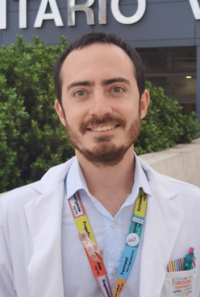
Elías Gomis Sellés, MD, PhD, is a Radiation Oncology specialist at Hospital Universitario La Fe in Valencia (Spain) and a Professor of Bioethics at the Faculty of Health Sciences at the International University of La Rioja (UNIR). He currently coordinates the EcoOnco working group for the Spanish Society of Radiation Oncology (SEOR) and is a member of the NSC (National Socialites Chairs) of ESTRO (European Society of Radiation Oncology). He earned his PhD Cum Laude with International Mention from the University of Seville for his research on high-risk neuroblastoma. His clinical background includes specialized training in proton therapy at the Paul Scherrer Institut in Switzerland. His primary research interests encompass pediatric oncology, prostate cancer, and clinical biostatistics. He is leading multicenter studies of pediatric cancer. He has authored 14 indexed publications and serves as an investigator in several clinical trials.
From Dr. Sellés’s perspective, as a clinician and researcher, a high-quality academic paper is built on three fundamental pillars: methodological rigor, clinical relevance, and ethical integrity. It should be based on a robust and reproducible study design supported by sound statistical methodology, while also bridging the gap between research and clinical practice to meaningfully improve patient outcomes. Equally important is clarity in reporting, along with full transparency regarding the study’s limitations. Ultimately, an excellent paper is one that not only advances scientific knowledge but also maintains the highest ethical standards of medical research.
Dr. Sellés stresses that authors, when preparing a scientific article, should first ensure that their research addresses a meaningful question and provides value to the scientific community. They must then apply an appropriate methodology to answer that question rigorously. Finally, the conclusions should accurately reflect the study results, and statistically significant findings should also be interpreted in terms of their clinical relevance.
Dr. Sellés’s motivation for conducting research and contributing to scientific publications is the opportunity to advance medical knowledge and ultimately improve patients’ quality of life and clinical outcomes. The medicine we practice today is built on evidence generated by researchers who investigated important questions and shared their findings, and he finds it highly motivating to contribute to that ongoing process.
(by Sasa Zhu, Brad Li)
Juan Luiz Coelho-Silva
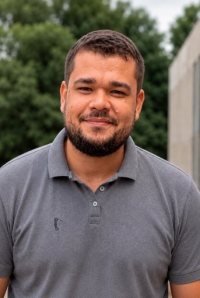
Dr. Juan Luiz Coelho-Silva is a biomedical scientist with an MSc in Genetics (UFPE) and a PhD in Clinical Oncology, Stem Cells, and Cell Therapy (FMRP/USP). He completed a postdoctoral fellowship at the Hematology Branch of the NHLBI/NIH (Bethesda, MD, USA; 2021–2023) and served as a research associate at UFPE (2023–2025). Currently, he is a postdoctoral researcher at ICB/USP, investigating molecular vulnerability mechanisms as therapeutic targets in acute myeloid leukemia. His research focuses on the molecular pathophysiology of hematological malignancies and clonal conditions, with an emphasis on identifying diagnostic, prognostic, and therapeutic markers in leukemias, bone marrow failure syndromes, and hemoglobinopathies.
TCR: What is important about academic writing?
Dr. Coelho-Silva: Academic writing is essential for preserving, sharing, and expanding human knowledge. It serves as a rigorous means of communication for scientific discoveries, enabling researchers to build on one another's work and enhance our understanding of complex phenomena. The cumulative nature of scientific knowledge relies on the quality and accessibility of published research, leading to improved medical treatments, sustainable practices, and educational strategies that impact global quality of life. This importance grows as researchers from emerging scientific centers contribute to the literature, promoting scientific equity and ensuring diverse perspectives are included in global decision-making. Every well-crafted paper from these regions represents not just a scientific contribution but also advocates for broader participation in knowledge creation.
TCR: Do you think authors must share their research data?
Dr. Coelho-Silva: Data sharing is a transformative practice in modern science and is essential for advancing research. My work relies on publicly available multi-omic datasets from repositories like CBioPortal and GEO. These resources enable researchers without extensive infrastructure or funding to pursue important scientific questions, acting as a powerful equalizer. Open access also enhances reproducibility and transparency, allowing findings to be verified and integrated into broader analyses, especially in the multi-omics era, where diverse data types offer a more comprehensive understanding of biology. However, there is a risk of overrepresentation, particularly with frequently analyzed cohorts like those from TCGA. This underscores the need for a critical approach in utilizing public datasets. While open data is a valuable tool, its effectiveness depends on thoughtful application.
TCR: Would you like to share some encouraging words for other academic writers who are dedicated to advancing scientific progress?
Dr. Coelho-Silva: To every researcher who has spent late nights refining an argument, wrestling with a revision, or doubting whether their work is significant enough, it is. The nature of scientific progress is cumulative and, more often than not, quietly so. A single paper may not reshape a field overnight, but it becomes part of a larger architecture of knowledge that, over time, does. Every rigorous study, every well-constructed review, every honest negative result contributes a piece to a structure that outlasts any individual career. I would also encourage academic writers to approach their craft both strategically and tactically. Strategically, it means being intentional about where your work fits in the broader landscape of your field. Understanding what questions matter, what gaps genuinely need filling, and how your findings connect to a larger narrative. Tactically, it means investing in the quality of the writing itself. Clarity of structure, precision of language, and the discipline of revision. These are learnable skills, and treating them as such, rather than as innate gifts reserved for a few, can transform the relationship a researcher has with writing from one of anxiety to one of agency. Science is a long game, and so is a scientific career. Each effort you make, however small it may feel in the moment, is a meaningful step in that journey, and in the collective journey of human understanding.
(by Sasa Zhu, Brad Li)
Paulo Sérgio da Silva Santos
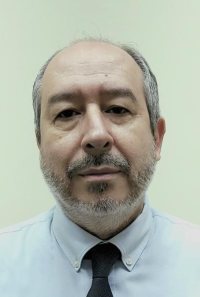
Dr. Paulo Sérgio da Silva Santos is a Full Professor at the Bauru School of Dentistry of the University of São Paulo, Brazil. His research areas are Supportive care in Cancer, laser therapy and Photobiomodulation, Jaw bone necrosis, and head and neck cancer. Connect with him on LinkedIn.
Dr. da Silva Santos believes that academic writing is particularly important for the popularization of science. Through publications, researchers and academics can disseminate their knowledge and ensure that their research is reproducible, which may help other professionals modify their clinical protocols, ultimately benefiting the patients they treat.
From Dr. da Silva Santos’s perspective, the key qualities of an author of scientific articles are accuracy, ethical standards, and rigor of the research conducted. In addition, he thinks it is important that the research groups involved in the articles are aligned. Reading a wide range of articles in the field helps refine future research and, consequently, the articles to be published.
Lastly, Dr. da Silva Santos shares one of his memorable writing experience, “The published opinion piece provides a glimpse into our research group’s experience with intraoral devices, which are currently still custom-made and crafted by hand, but are the subject of ongoing research aimed at producing 3D-printed devices. Our results have shown that patients who use intraoral devices fabricated prior to radiotherapy and worn throughout the entire radiotherapy period no longer experience trismus, and the areas and severity of oral mucositis have decreased significantly, which has been very gratifying for our research team in clinical practice.”
(by Sasa Zhu, Brad Li)
Katsuhiro Miura
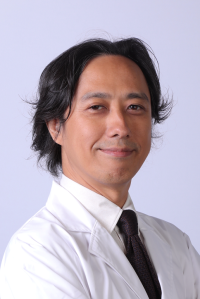
Katsuhiro Miura, MD, serves as an Associate Professor and the Department Director of Hematology and Oncology at Nihon University Itabashi Hospital, Tokyo, Japan. As a board-certified hematologist and oncologist with over 25 years of clinical experience, he leads the management of complex hematological and other types of malignancies. Dr. Miura is also the Lead Member of the Society of Lymphoma Treatment in Japan (SoLT-J). His extensive research spans the development of therapeutics for lymphoid neoplasms, novel treatments for plasma cell disorders, clinical implementation of geriatric assessment in hematological malignancies, and improving the management of rare diseases such as TAFRO syndrome and Immune Thrombocytopenic Purpura. He has authored over 50 peer-reviewed publications, including The New England Journal of Medicine, The Lancet Haematology, The Lancet Oncology, and Cancer Discovery, bridging precision medicine and patient-centered care in the field of hematology and oncology. Connect with him on LinkedIn.
TCR: What are the essential elements of a good academic paper?
Dr. Miura: I think the most essential element of a good academic paper is originality. Not every institution is privileged with abundant funds, dedicated personnel, or state-of-the-art research environments. However, in our daily medical practice, we constantly encounter profound clinical and research questions. I believe that, even if data are derived from limited resources, a study project can be translated into an impactful academic paper, as long as clear novelty is evident within it.
TCR: What authors have to bear in mind during preparation of a paper?
Dr. Miura: What I always keep in mind when writing a paper is the question, "Who are the readers?" Consider my recent publications as examples: an original article on the spatial analysis of the tumor microenvironment in Hodgkin lymphoma, a review of the contemporary management of diffuse large B-cell lymphoma in Japan, and a commentary on the pivotal trial results of a novel therapeutic intervention in smoldering multiple myeloma. Although these are all academic papers on hematological malignancies, their backgrounds, methodologies, and purposes differ fundamentally. If authors fail to define the target audience clearly, they cannot choose appropriate logical structures and tones, undermining the value of the study. The goal of writing a paper is not publication itself; its ultimate purpose is fulfilled only when readers evaluate it.
TCR: Why do you choose to publish in TCR?
Dr. Miura: I chose TCR because of its unique commitment to bridging the gap between basic scientific discovery and practical clinical application. This concept is exactly what I hold as my own motto. My recent commentary on the biological boundaries of daratumab in high-risk smoldering multiple myeloma well aligns with TCR's mission. Furthermore, the journal provides a dynamic global platform that encourages rapid, rigorous debate and fosters innovative perspectives among international peers.
(by Brad Li, Masaki Lo)